Stroke & Paralysis
Comprehensive evaluation, timely treatment, rehabilitation and long-term care for stroke and paralysis.
Parietal lobe
Sensation, spatial awareness and body position. Stroke & Paralysis is usually associated with this part of the nervous system.
A broad teaching association, not a diagnosis. A symptom in one area very often originates somewhere else entirely, and only a neurological examination can establish where.
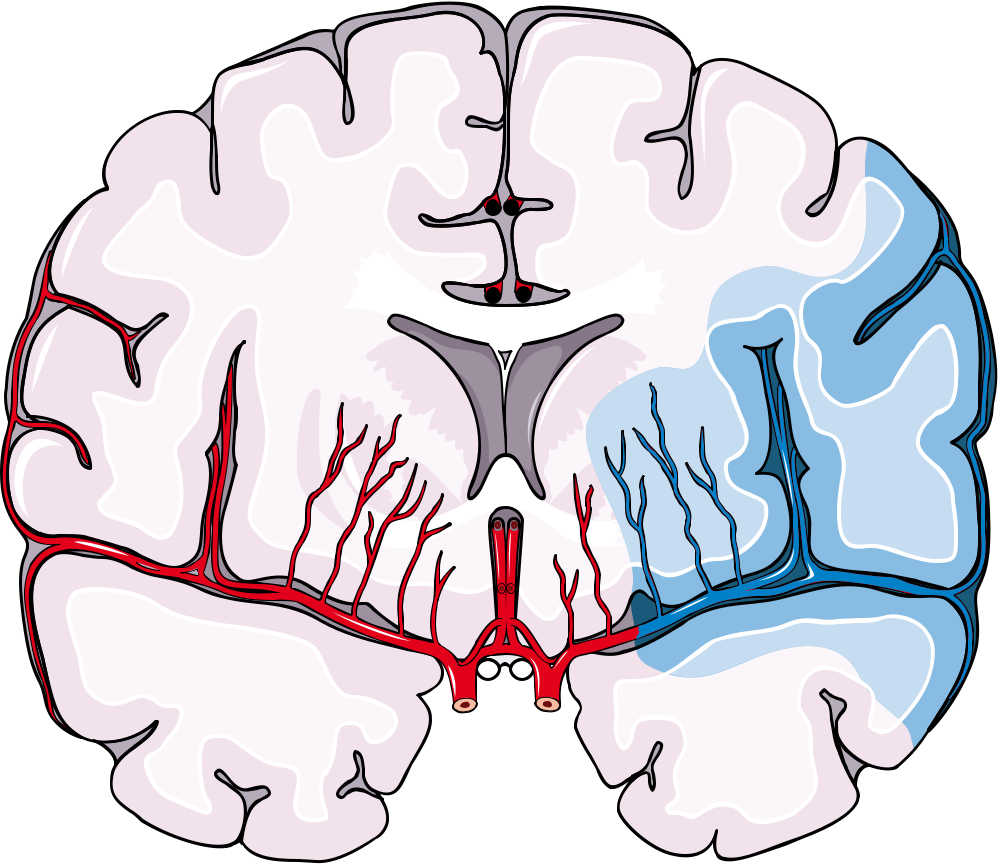
Ischaemic
A vessel is blocked, usually by a clot. The territory it supplies is cut off — shown here in blue — and begins to fail within minutes.
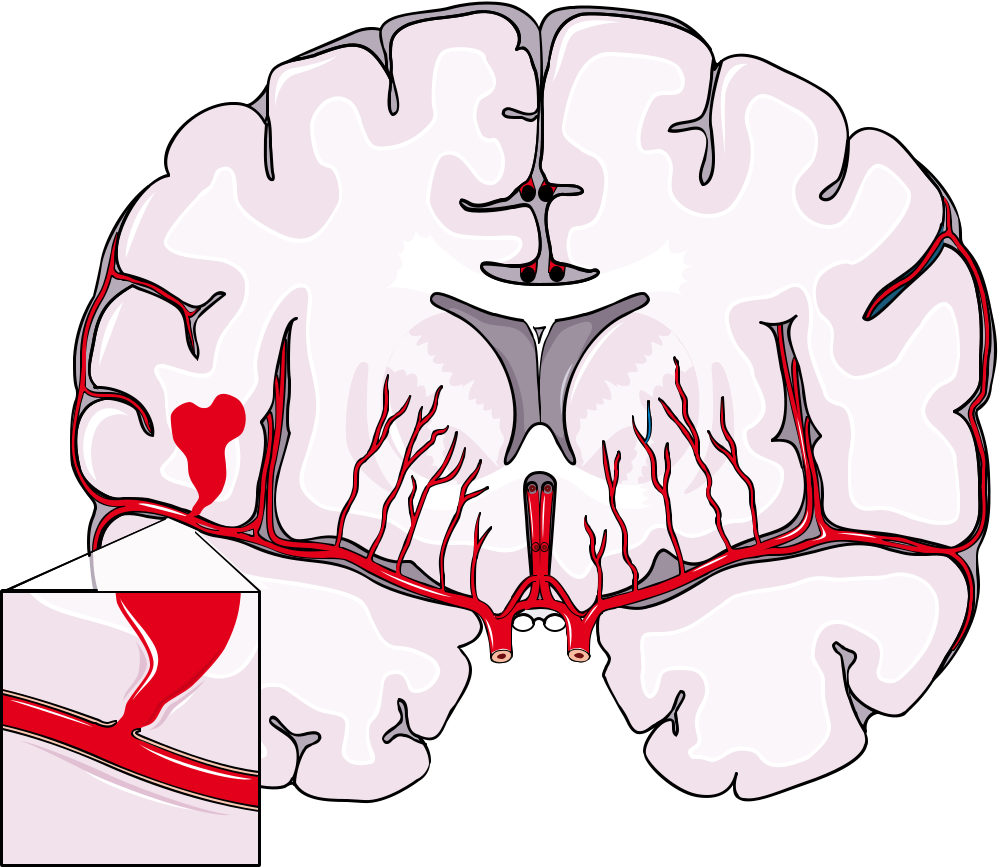
Haemorrhagic
A vessel ruptures and bleeds into the brain. The damage comes from the blood itself and from the pressure it creates.
Understanding Stroke & Paralysis
Thrombotic Stroke: A stroke caused by a blood clot forming in an artery supplying the brain.
Embolic Stroke: A blood clot or other material travels from another part of the body to the brain.
Hemorrhagic Stroke: Occurs when a blood vessel in the brain ruptures and causes bleeding.
Intracerebral Hemorrhage: Bleeding occurs within the brain tissue.
Subarachnoid Hemorrhage: Bleeding occurs in the space surrounding the brain.
Transient Ischemic Attack (TIA): A temporary episode of stroke-like symptoms requiring urgent medical assessment.
Symptoms of Stroke & Paralysis
Diagnosis & Evaluation
- Detailed neurological examination
- Brain imaging when clinically indicated
- Assessment of stroke risk factors
- Vascular evaluation when required
- Cardiac evaluation when indicated
Treatment & Management
- Emergency stroke assessment
- Medical management
- Risk-factor management
- Secondary stroke prevention
- Rehabilitation planning
- Long-term neurological follow-up
Need urgent neurological care?
Seek immediate medical attention for sudden or severe neurological symptoms.